
When to Get a Sewer Camera Inspection: A St. Louis Homeowner’s Guide
If you’re wondering when to get a sewer camera inspection and who to call for help, Superior Service is here for you. We provide sewer camera inspections in St. Louis to help homeowners find out what is happening inside their sewer lines. By looking for blockages, roots, and visible pipe damage, our plumbers can help you understand the problem and make an informed decision about what comes next.
It is frustrating to deal with the same drainage issue over and over. Getting the water moving again matters, but so does understanding why the problem keeps returning.
Knowing when to get a sewer camera inspection can help you move beyond another temporary fix and start asking the right questions about your plumbing.
What Is a Sewer Camera Inspection?
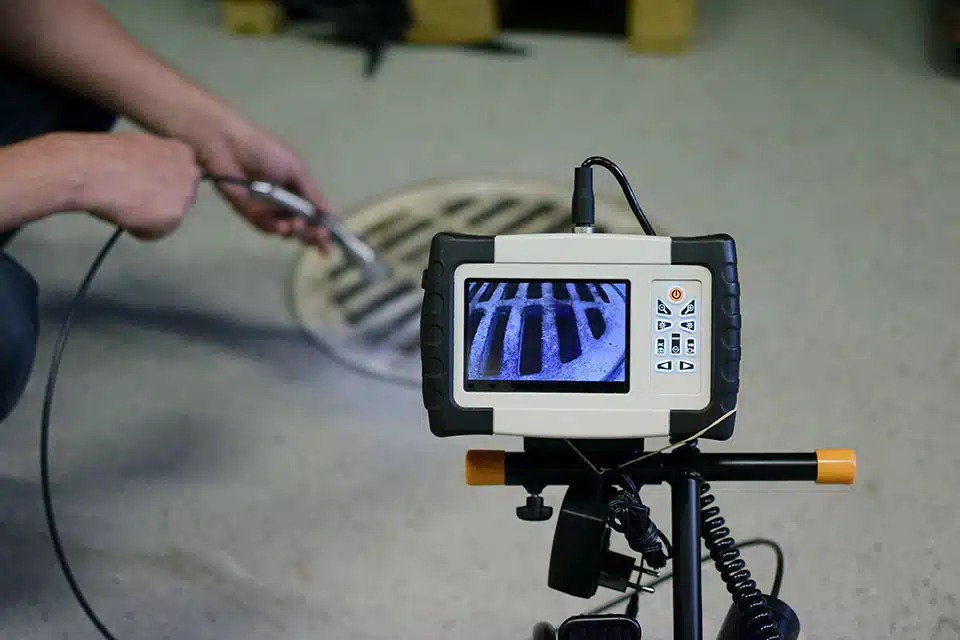
A sewer camera inspection uses specialized video equipment to examine the inside of a sewer line. You may also hear it called a sewer scope inspection. For a home connected to a public sewer system, the inspection typically focuses on the sewer lateral, which is the underground pipe connecting the home to the public sewer main.
The purpose is straightforward: look inside the pipe for problems that cannot be seen from the surface. Rather than relying on symptoms alone, a plumber can use the footage to evaluate visible conditions in the inspected section.
When to Get a Sewer Camera Inspection: Five Situations to Consider
1. The Same Drain Problem Keeps Coming Back
A drain that slows down again shortly after being cleared deserves a closer look. Recurring drain clogs can involve stubborn buildup or obstructions, and a camera inspection can help check what remains inside the line. Professional drain cleaning and camera inspections serve different purposes, but they can work together when investigating an ongoing problem.
Tell your plumber how often the clog returns, which drains are affected, and what work has already been done. Instead of simply requesting another cleaning, ask whether inspecting the pipe would help explain the pattern.
2. Using One Fixture Causes a Backup Somewhere Else
Imagine running a load of laundry and noticing water coming up through a basement floor drain. A partially blocked sewer lateral can cause this kind of problem when wastewater cannot move through the line fast enough and backs up through another opening.
Pay attention to what was running when the backup happened. Was the washing machine draining? Had someone just used another fixture? Share those details rather than focusing only on where the water appeared.
Do not run more water to recreate the problem while a backup is happening.
3. You Notice Sewage Odors or Wastewater Around Drains
Water pooling around basement floor drains, wastewater leaking from a cleanout, sewage odors, and unexplained wet ground can be warning signs of a blocked or damaged sewer lateral. They warrant professional attention, but they do not establish the exact cause on their own.
Describe what you have noticed, where it is happening, and whether it changes when you use the plumbing. If sewage is actively backing up, follow the steps below rather than waiting for a routine inspection appointment.
4. Your Sewer Line Has a History of Root Problems
Tree roots can enter cracks in sewer pipes and create blockages. A camera inspection can help a plumber investigate suspected roots inside the line, while separate cleaning equipment is used to remove an obstruction.
If roots have been removed before, mention that history when scheduling service. Ask whether another sewer line camera inspection would help evaluate the pipe and guide future maintenance.
The useful question is not just, “Are there roots?” It is also, “What does the condition of the pipe tell us about the next step?”
5. You Are Buying a Home With an Unknown Sewer History
Do not assume a general home inspection includes a sewer scope inspection. Sewer scoping may be offered as a separate service, so ask specifically whether the underground sewer line will be examined with a camera.
Request any available records of previous sewer cleaning, inspections, and repairs. A recently remodeled bathroom may catch your attention during a showing, but remember to ask about the plumbing you cannot see.
Before moving forward, make sure you understand what was inspected, what was found, and whether any part of the line still needs evaluation.
What to Do if Sewage Is Backing Up Right Now
An active sewage backup needs prompt attention, not just a future camera inspection. Stop using toilets, sinks, washing machines, and other fixtures or appliances that send water down the drain. Keep people and pets away from the wastewater, and do not add chemical drain cleaners.
If you are an MSD customer, call MSD at 314-768-6260 to report the backup so a maintenance crew can investigate the cause. Do not enter an affected area if water has reached electrical outlets, cords, or connections. A licensed plumber can address problems involving your private plumbing or sewer lateral.
Outside MSD’s service area, contact your local sewer utility for its reporting instructions, along with a plumber for help with your home’s plumbing.
What Can a Sewer Camera Inspection Reveal?
The results depend on how much of the line is accessible and how clearly the camera can see. Some of the conditions an inspection can identify include:
Buildup and Blockages
Footage may show roots, excessive grease, scale, or other material restricting the pipe. Seeing the obstruction helps distinguish what is actually in the line from assumptions based only on a slow drain.
Visible Pipe Damage
A camera may reveal cracks, broken sections, or joints that have shifted out of alignment. These are different findings from a simple obstruction, which is why understanding the condition of the pipe matters when discussing the next step.
Low or Sagging Sections
A sagging section, sometimes called a pipe belly, can create a low spot where water and waste collect. Camera footage may reveal signs of these low areas, but water and debris can also make the condition harder to evaluate.
Ask your St. Louis plumber to show you the concern and explain it in everyday terms. You should understand what the footage shows and why the recommended work makes sense.
How Our Sewer Camera Inspection Process Works
We introduce the camera through a cleanout or another access point and monitor the video as it travels through the line. The inspection is recorded, and we document and share our findings. When problems are identified, we explain recommendations for repairs or maintenance.
Before your appointment, let us know about previous backups, root removal, or sewer repairs. Have any earlier reports available, and ask which access area should be cleared of stored belongings.
You can also ask how to obtain any available inspection video and written findings for your home maintenance records.
Is a Camera Inspection the Same as Drain Cleaning?
No. An inspection helps identify a problem; cleaning removes an obstruction. The camera itself does not clear roots or remove buildup. At Superior Service, we offer both camera inspections and drain cleaning services in St. Louis, including cabling to remove blockages.
When scheduling, ask what is included in the visit and whether cleaning or other work would require separate approval. That keeps expectations clear before the work begins.
What a Sewer Camera Cannot Confirm
A camera gives a view from inside the pipe. It cannot show everything happening outside it, such as hidden exterior deterioration or empty spaces in the surrounding soil. Water and debris can obscure the view, and cleaning may be needed before the camera can move through the line. A video alone cannot establish that the entire pipe is watertight.
An inspection also captures conditions at the time of the visit. It cannot guarantee that a sewer line will never develop a problem or reveal every concealed defect.
That does not make the inspection less useful. It means you should ask whether the intended section was fully inspected and whether anything limited the view.
What St. Louis Homeowners Should Know About Their Sewer Lateral
For properties served by MSD, the sewer lateral and its connection to the public sewer are private property. The property owner is responsible for maintaining and repairing that line. However, some municipalities offer sewer lateral repair assistance for qualifying properties and repairs. Check your municipality’s current requirements before authorizing work you expect a program to cover.
For example, the City of St. Louis has a program that assists with eligible repairs beneath the public right-of-way. It does not cover every section of a lateral, and clearing clogs or tree roots is excluded. Do not assume the same rules apply in every community.
Older piping is another reason to ask questions rather than make assumptions. Many sewer lines in the City of St. Louis are more than 100 years old and made of clay, which can shift as the ground settles. Still, age alone does not establish that a pipe needs replacement. The condition of the individual line matters.
Three Questions to Ask Before Approving the Next Step
You do not need to become a plumbing expert to make an informed decision. Start with these questions:
- What did you inspect, and was anything left unseen? Ask which section was covered and whether access, water, or an obstruction limited the inspection.
- Can you show me the problem and explain what it means? Ask the plumber to distinguish what is clearly visible from anything that needs further investigation.
- What will the recommended work accomplish? Clarify whether the proposal involves removing a blockage, addressing pipe damage, or gathering more information.
The goal is to leave the conversation understanding both the finding and the reason for the recommendation.
Schedule a Sewer Camera Inspection in St. Louis
We provide sewer camera inspections throughout St. Louis, St. Charles, Warren, and Lincoln Counties. Our plumbers review the footage, explain the findings, and help you understand the recommended next steps.
Schedule a Sewer Camera Inspection in St. Louis
We provide sewer camera inspections throughout St. Louis, St. Charles, Warren, and Lincoln Counties. Our plumbers review the footage, explain documented findings, and help you understand the recommended next steps.
Recurring drain trouble should lead to better questions, not just another round of uncertainty. Contact Superior Service to request a sewer camera inspection and discuss what is happening at your home.