

Why Is My Water Heater Making Noise in St. Peters, MO?
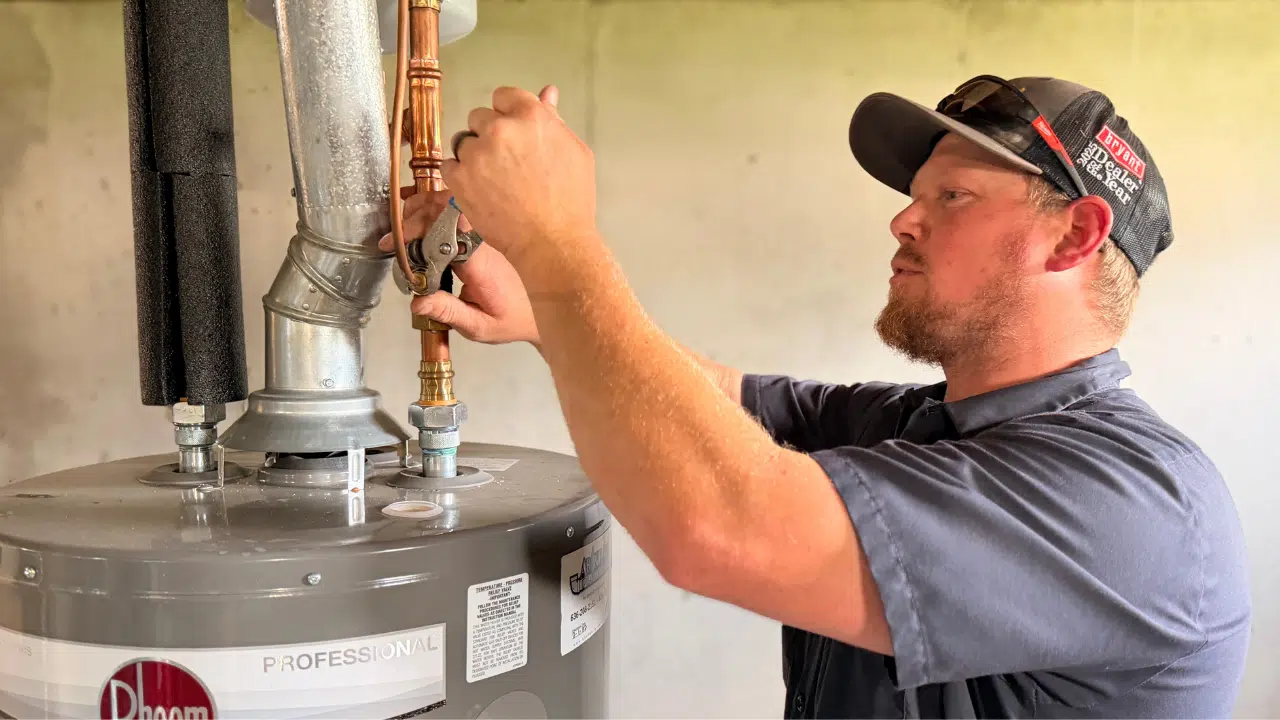
If your water heater is making popping, rumbling, ticking, hissing, or banging noises, the sound can offer an important clue about what is happening inside the system. Some water heater noises are part of normal operation, while others can point to sediment buildup, restricted water flow, plumbing pressure issues, a leak, or a component that needs professional attention.
For homeowners in St. Peters, the best thing to do is not immediately assume the water heater is failing. Instead, listen closely to what the sound is like and when it happens.
Does the tank rumble while the burner is running? Do you hear a sharp bang when a faucet shuts off? Is there a sizzling noise along with moisture around the unit?
Those details can help determine whether the problem is actually inside the water heater or somewhere else in your plumbing system.
Here are some of the most common water heater noises we want homeowners to recognize.
Why Is My Water Heater Making a Popping or Rumbling Noise?
Popping and rumbling are two of the most common noises associated with traditional tank-style water heaters.
One possible cause is sediment or mineral buildup at the bottom of the tank.
As your water heater operates, dissolved minerals and other material can gradually settle at the bottom. If enough buildup develops, water can become trapped beneath the sediment. When the burner or heating element heats that water, bubbles can push through the layer of sediment and create popping, cracking, or rumbling sounds.
Water heater manufacturers such as Rheem identify sediment buildup as a common cause of these noises.
The sound may become especially noticeable when the water heater begins a heating cycle.
Does popping mean your water heater is about to fail?
Not necessarily.
A popping water heater does not automatically mean you need a new one. However, it is something worth investigating.
Sediment can interfere with efficient heat transfer and may make a tank-style water heater work harder to heat the same amount of water. Over time, significant buildup can contribute to declining performance and wear.
Pay attention to whether the noise is accompanied by other changes, such as:
- Hot water running out faster than it used to
- Longer wait times for the tank to recover after heavy use
- Rusty or cloudy hot water
- Increasing energy usage
- Water around the bottom of the tank
- A noticeable decline in hot water temperature
The combination of symptoms often tells us much more than the noise alone.
Why Does Sediment Build Up in a Water Heater?
Minerals occur naturally in water supplies, although the exact mineral content varies.
The City of St. Peters receives its water from two sources: Missouri River water treated at the Howard Bend Water Treatment Plant and groundwater drawn from wells in the Mississippi River floodplain.
The city also operates a lime-softening process for its groundwater supply to remove iron and other impurities before the water enters the distribution system.
Even with municipal water treatment, however, some mineral material can accumulate inside household water-heating equipment over time.
That is one reason maintenance matters for tank-style water heaters.
Sediment accumulation usually happens gradually, which means you may not notice anything unusual for years. Then one day the tank starts making a sound you have never heard before.
The sound is often what gets your attention, but the buildup may have been developing long before that.
What Does a Ticking or Clicking Water Heater Mean?
Occasional ticking or clicking can be completely different from heavy rumbling.
As pipes and water heater components heat up and cool down, materials expand and contract. That movement can create light ticking sounds.
Certain water heater installations also use heat traps that can make some noise as water moves through them.
If the sound is quiet, brief, and has been present for a long time without any other symptoms, it may simply be part of normal operation.
What deserves more attention is a new, loud, or persistent sound, especially when it appears along with changes in water temperature, pressure, or system performance.
It helps to think in terms of patterns.
A few quiet clicks when the water heater starts heating are different from a rapid clicking sound that suddenly appeared yesterday.
Why Is My Water Heater Making a Banging Noise?
A loud bang can make it sound as though something inside the water heater is breaking.
Sometimes, however, the noise is actually caused by the plumbing around it.
One possibility is water hammer.
Water hammer happens when moving water suddenly stops or changes direction. That abrupt change in momentum can create a pressure wave through the plumbing and cause pipes to bang, knock, or shake.
For example, you may notice a loud bang when:
- A washing machine valve closes
- A dishwasher stops filling
- A toilet finishes filling
- A faucet is shut off quickly
- Another automatic plumbing valve closes
If you only hear the noise when a fixture or appliance shuts off, make a note of that.
It may mean the water heater itself is not the source of the problem, even if the sound seems to come from that area.
Plumbing pressure, loose piping, or the need for water-hammer control may need to be evaluated.
What Does a Hissing or Sizzling Water Heater Mean?
Hissing and sizzling deserve a little more attention because the cause can vary.
In some situations, sediment around electric heating elements can create unusual sounds.
In others, moisture may be coming into contact with a hot surface.
A.O. Smith and Rheem both note that sizzling or hissing can sometimes be associated with sediment, condensation, or water contacting heated components.
This is where looking around the unit becomes important.
Do you see water?
Check the floor around the water heater without removing covers or touching electrical components.
Look for:
- Water collecting around the base of the tank
- Dripping connections
- Moisture around valves
- Water running down the outside of the tank
- Corrosion around fittings
If you see an active leak, the problem should be inspected promptly.
Water and electrical components are not a combination you should experiment with yourself.
What About a Screeching or Whistling Noise?
A high-pitched whistling or screeching noise can sometimes indicate restricted water flow or a valve that is not allowing water to move normally.
Rheem lists pressure irregularities, partially closed valves, sediment, and certain valve problems among possible causes of high-pitched water heater noises.
Do not start turning unfamiliar valves simply because you hear a whistle.
If you know which valve is the normal water shutoff and can safely observe it, that information can be useful. Otherwise, describe the sound to a plumber and let the system be inspected.
A high-pitched noise that suddenly appears and does not go away is worth investigating rather than simply getting used to.
Should You Flush a Noisy Water Heater?
You will often see online advice telling homeowners to flush the tank whenever their water heater starts popping.
Flushing can help remove loose sediment from a tank-style water heater, and manufacturers commonly recommend periodic flushing as part of maintenance.
However, we would not automatically recommend opening the drain valve on an unfamiliar or neglected water heater simply because you heard a noise.
There are a few reasons.
First, not every sound is caused by sediment.
Second, water inside the tank can be extremely hot and cause serious burns.
Third, an older drain valve that has not been operated for years can sometimes develop problems once it is disturbed.
Finally, heavy sediment buildup may not be completely resolved by a simple homeowner flush.
If you are comfortable performing maintenance, always follow the instructions for your specific water heater model. Otherwise, have the system professionally inspected and serviced.
The goal is not just to make the sound disappear. The goal is to understand why the water heater is making the sound in the first place.
How Do You Know Whether the Problem Is the Water Heater or the Plumbing?
Try paying attention to when the noise occurs.
Noise happens while the water heater is actively heating
Popping or rumbling during a heating cycle can point toward conditions inside the tank, including sediment buildup.
Noise happens when you shut off a faucet
A sharp bang immediately after water flow stops can point more toward water hammer or another plumbing pressure issue.
Noise happens only when someone uses hot water
Flow through valves or piping may be contributing to the sound.
Noise happens constantly
Persistent sounds deserve inspection, especially if they are new.
Noise happens along with leaking
Treat the visible water as the more important symptom. Arrange professional help rather than focusing only on the noise.
Simply documenting when the problem occurs can make troubleshooting much easier.
When Does a Noisy Water Heater Need Professional Attention?
We recommend scheduling water heater service if you notice any of the following:
- Loud rumbling that continues or gets worse
- Repeated popping during heating cycles
- Hissing or sizzling along with visible moisture
- A sudden screeching or whistling noise
- Water leaking around the tank
- Rust-colored hot water
- A noticeable loss of hot-water capacity
- Hot water that frequently changes temperature
- Long recovery times
- Frequent water heater repairs
- An older water heater that has developed multiple symptoms
Age can also matter.
Tank-style water heaters do not last forever, and an older unit with corrosion, leaks, recurring repairs, and heavy sediment issues deserves a different conversation than a relatively new system making its first unusual noise.
We do not recommend deciding on replacement based on age or sound alone.
The condition of the tank and the cause of the problem should guide that decision.
Does a Noisy Water Heater Mean You Need a New One?
No.
That is one of the most important things to understand.
Some noises are related to normal expansion. Others may come from sediment that can be addressed through maintenance. Still others can originate elsewhere in the plumbing system.
A water heater may need replacement when the tank itself has deteriorated or when age, repeated repairs, leaks, and declining performance make continued repair impractical.
But noise by itself is not a diagnosis.
Before making a replacement decision, you should understand:
- Where the noise is actually coming from
- What is causing it
- Whether the problem can be corrected
- Whether the tank itself is still in good condition
- How the age and condition of the equipment affect the repair decision
Those are much better questions than simply asking, “How old is my water heater?”
What Should You Tell Your Plumber?
You do not need to know the technical name of the problem before calling us. A few simple observations are extremely useful. For example:
- What does it sound like?
- Popping, banging, rumbling, ticking, whistling, hissing, or something else?
- When does it happen?
- While the water heater is heating? After someone takes a shower? When the washing machine stops filling?
- How long has it been happening?
- Did it suddenly begin this week, or has the tank made the sound for years?
- Has your hot water changed?
- Mention if you are running out sooner, waiting longer for recovery, or noticing inconsistent temperatures.
- Do you see any water around the unit?
Visible moisture can change the urgency of the situation.
Water Heater Service in St. Peters, MO
A noisy water heater can be annoying, but more importantly, it can give you an early clue that your plumbing system needs attention.
At Superior Service, we provide water heater repair and replacement services for homeowners throughout St. Peters and the surrounding St. Charles County area.
Whether your tank is popping, rumbling, leaking, struggling to keep up with your household, or simply making a noise you have never heard before, we can inspect the system and help determine what is actually causing the problem.
We would rather identify the cause before recommending a solution.
If your water heater is making unusual noises in your St. Peters home, schedule plumbing service with Superior Service and let us take a closer look.