
An HVAC system in St. Charles does not get much of a break. It must handle hot, humid summer weather, freezing winter temperatures and plenty of temperature swings in between. Local climate normals show approximately 34 days per year with temperatures reaching at least 90 degrees and more than 100 days with temperatures falling to freezing or below. That year-round workload can expose an aging system’s weaknesses quickly.
Still, a warm bedroom or one expensive utility bill does not automatically mean you need to replace your heating and cooling equipment. Problems with ductwork, insulation, airflow, maintenance or thermostat settings can create many of the same symptoms.
The key is to look for several warning signs happening together. Here are five indications that it may be time to schedule a professional HVAC replacement evaluation in St. Charles.
1. Your HVAC Equipment Is Reaching the End of Its Expected Service Life
Age alone does not determine whether an HVAC system needs to be replaced, but it is an important place to start.
ENERGY STAR recommends considering replacement when:
- A central air conditioner or heat pump is more than 10 years old
- A furnace or boiler is more than 15 years old
- The equipment requires frequent repairs or no longer keeps the home comfortable
The manufacture date is usually printed on the equipment nameplate, although the date may be included within the serial number rather than written clearly.
Older cooling systems may also use R-22 refrigerant. New production and importation of R-22 ended in the United States in 2020. Existing systems can still be serviced with previously produced or reclaimed refrigerant, but availability and pricing can change as supplies decline. An R-22 system does not have to be replaced immediately, but its refrigerant type should be considered before investing in an expensive repair.
What St. Charles homeowners should consider: If an older system is also running constantly, producing inconsistent temperatures or requiring another major repair, it may be more practical to begin comparing replacement options before the next stretch of extreme weather.
2. Your Energy Bills Keep Rising While Comfort Gets Worse
Heating and cooling costs naturally change with the weather. A higher bill during an unusually hot month does not necessarily mean the HVAC system is failing.
A more concerning pattern is when your utility usage increases compared with similar periods from previous years while your home becomes less comfortable. An aging system may run longer or cycle more frequently as it struggles to reach the thermostat setting.
Before assuming the equipment needs to be replaced, compare:
- Energy usage from the same months in previous years
- Recent thermostat settings
- How long the system runs during normal weather
- Whether the air filter is clean
- Whether vents are open and unobstructed
- Whether maintenance has been completed recently
Ductwork should also be evaluated. ENERGY STAR estimates that 20% to 30% of the air moving through duct systems in typical homes can be lost through leaks, holes and poorly connected sections. Sealing and insulating ducts can improve heating and cooling efficiency by as much as 20% in some homes.
That means rising energy bills may point to inefficient equipment, leaking ductwork, insufficient insulation or a combination of problems. A whole-home evaluation can identify the actual source before you make a major investment.
3. Some Rooms Stay Hot, Cold or Uncomfortably Humid
Uneven temperatures are among the most noticeable signs that an HVAC system is no longer meeting a home’s needs.
Common complaints include:
- Upstairs bedrooms that never cool properly
- A finished basement that feels damp or clammy
- Rooms above a garage that stay warmer or colder
- Additions that receive weak airflow
- One side of the home feeling different from the other
- Indoor air that feels sticky even while the AC is running
This can be especially relevant in established St. Charles neighborhoods. The city has thousands of properties within historic districts such as Historic Downtown, Frenchtown and South Main. Older homes, remodeled floor plans and later additions can present challenges involving insulation, duct routing, return-air capacity and equipment sizing.
Uneven comfort does not automatically require replacement. Leaky ducts, blocked vents, inadequate insulation, an incorrect thermostat location or an unbalanced air-distribution system may be responsible.
However, replacement becomes more likely when temperature and humidity problems occur alongside aging equipment, frequent cycling and increasing utility costs.
4. You Are Scheduling Repairs More Frequently
Most HVAC systems need an occasional repair. A single capacitor, sensor or ignition component does not necessarily justify replacing an entire system.
The situation changes when repairs become a pattern.
Consider how frequently you have called for service during the past two or three seasons. Repeated breakdowns may indicate that multiple components are wearing out as the equipment ages. The immediate repair might restore operation, but another part could fail soon afterward.
Additional warning signs include:
- Loud grinding, rattling or buzzing noises
- The system turning on and off repeatedly
- Difficulty starting
- Unexpected shutdowns
- Refrigerant leaks
- Repeated electrical or motor problems
- The same comfort issue returning after repairs
ENERGY STAR identifies frequent repairs, rising energy bills and noisy operation as reasons to consider replacing or improving an HVAC system.
When deciding whether to repair or replace an HVAC system, look beyond the cost of the current repair. The equipment’s age, warranty status, refrigerant type, overall condition and likelihood of future breakdowns should all be considered.
Reliability matters in St. Charles. A system that fails during the first major heat wave or a stretch of below-freezing nights can force you to make a rushed decision when appointment availability is limited.
5. Airflow Is Weak or Your Home Seems Dustier Than Before
Reduced airflow can make an HVAC system run longer without delivering better comfort. You might notice weak air coming from certain vents, rooms that take longer to reach the desired temperature or an increase in dust around the house.
Possible causes include:
- A dirty or overly restrictive filter
- A failing blower motor
- Blocked or damaged ductwork
- Leaky duct connections
- An undersized return-air system
- Dirty indoor components
- Improperly sized equipment
Leaky ducts can pull dust and unconditioned air from attics, basements, garages or crawl spaces and distribute it throughout the home. They can also reduce the amount of heated or cooled air reaching the rooms where it is needed.
Weak airflow is not always a replacement issue. In many cases, cleaning, repairing or redesigning part of the duct system can improve performance. But when poor airflow is combined with outdated equipment and ongoing comfort problems, replacing the system while correcting the air-distribution issues may provide a more complete solution.
Does One Warning Sign Mean You Need HVAC Replacement?
Not necessarily.
A professional HVAC evaluation should determine whether the problem comes from the equipment or another part of the home. Filters, thermostat controls, duct leakage, insulation and airflow problems can sometimes make a functioning system appear worse than it is.
Replacement deserves stronger consideration when several conditions are present at the same time:
- The system is beyond typical age guidelines.
- Comfort has declined throughout the home.
- Utility usage is increasing.
- Repairs are becoming more frequent.
- A major component has failed or is likely to fail.
- The current system uses an older refrigerant.
- The equipment was improperly sized or installed.
The goal should not be to replace equipment simply because it is old. It should be to determine which option gives you the best balance of reliability, comfort, efficiency and long-term cost.
Should You Replace the Furnace and Air Conditioner Together?
A furnace and air conditioner do not always need to be replaced at the same time. However, they share several components and must operate together as a matched system.
Replacing both may make sense when:
- Both pieces of equipment are similar in age
- The indoor and outdoor components are incompatible
- The blower or coil is also nearing the end of its useful life
- You want to improve the system’s overall efficiency
- Replacing one component now would require additional labor later
If one part of the system is newer and in good condition, replacing only the failing component may be reasonable. A proper evaluation should compare both options rather than automatically recommending a complete system.
What to Expect From an HVAC Replacement Evaluation
A replacement estimate should involve more than looking at the size of the existing equipment and offering a newer version.
The contractor should evaluate:
- The home’s size and layout
- Window placement and sun exposure
- Insulation and air leakage
- Existing ductwork and return-air capacity
- Areas with persistent comfort problems
- Current electrical and fuel connections
- Humidity-control needs
- Equipment efficiency and performance options
- Available financing and rebate opportunities
Superior Service conducts a home HVAC assessment before recommending replacement options. Our NATE-certified technicians serve St. Charles and the surrounding area, and our team can help you compare repair, AC replacement, furnace replacement and full-system options based on your home rather than relying on a one-size-fits-all recommendation.
Plan Before a Breakdown Forces the Decision
The best time to consider replacing an HVAC system is often before it stops working completely.
Planning ahead gives you more time to:
- Compare equipment options
- Understand efficiency ratings
- Address ductwork or airflow problems
- Review available financing
- Schedule installation before extreme weather
- Avoid making a rushed decision during an emergency
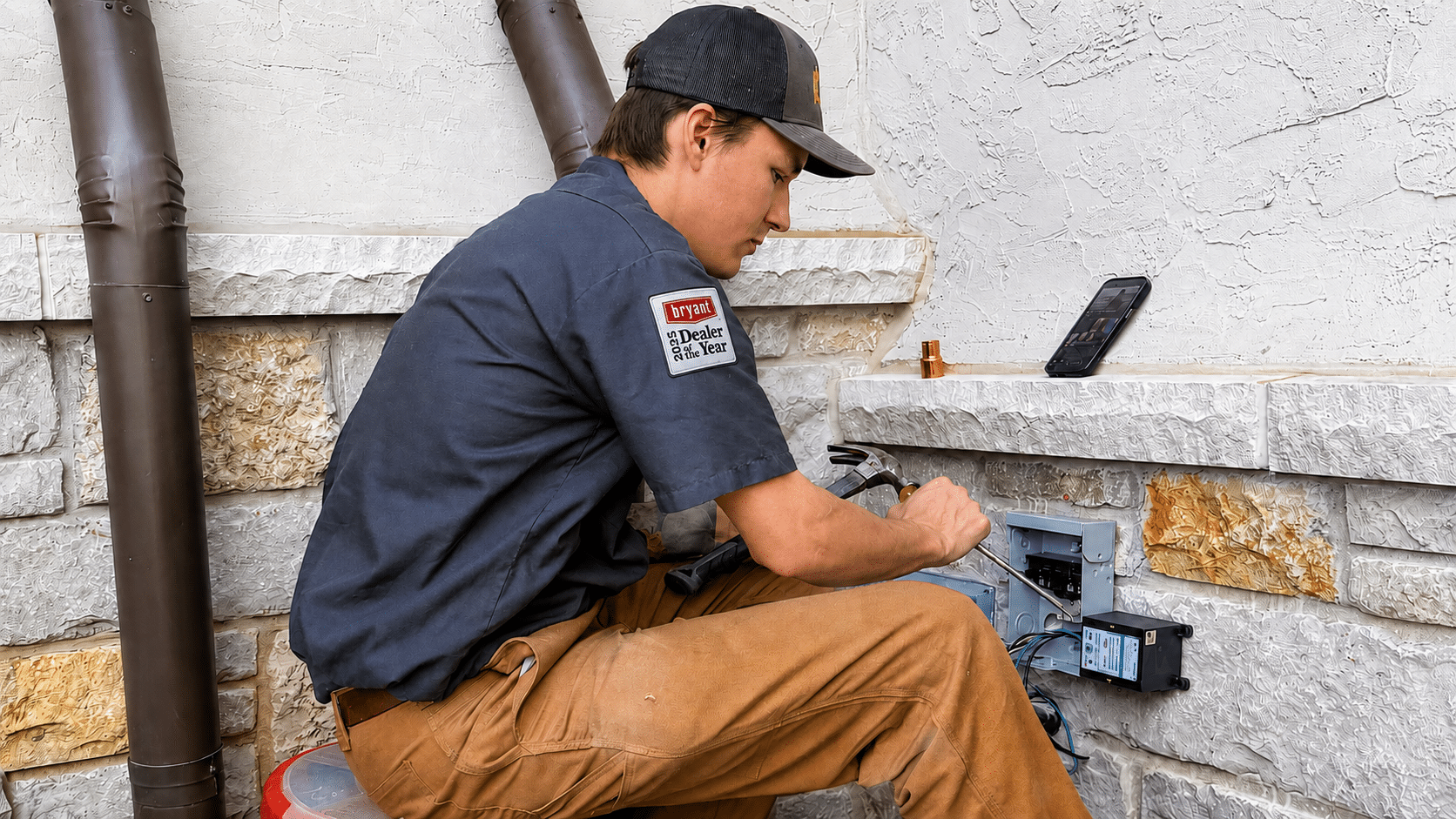
Superior Service has served homeowners throughout St. Charles and the Greater St. Louis area since 1972. We were also named Bryant’s 2025 Dealer of the Year, the highest national honor awarded by Bryant Heating & Cooling Systems.
Not sure whether your system needs another repair or a complete replacement? Make an appointment for a service call with Superior Service. We will inspect the system, explain what we find and help you determine the right next step for your St. Charles home.
Frequently Asked Questions About HVAC Replacement in St. Charles
How long does an HVAC system usually last?
System life depends on the equipment type, installation quality, maintenance history and operating conditions. ENERGY STAR recommends considering replacement when an air conditioner or heat pump is more than 10 years old or when a furnace or boiler is more than 15 years old. These are evaluation guidelines, not automatic expiration dates.
Does an old R-22 air conditioner have to be replaced?
No. Existing R-22 systems can still be serviced with reclaimed or previously produced refrigerant. However, refrigerant availability and cost may affect whether a major repair makes financial sense. The system’s age and overall condition should also be considered.
Can high energy bills mean my HVAC system is failing?
They can, but equipment failure is not the only possible explanation. Extreme weather, thermostat changes, duct leakage, insulation problems, dirty filters and rate increases may also affect a bill. Compare energy usage with the same period from previous years and have the complete system inspected.
Why is my house humid when the air conditioner is running?
High indoor humidity can result from oversized equipment, short cycling, insufficient runtime, airflow problems, a blocked condensate drain or outdoor air entering through leaks. An HVAC technician can determine whether the issue requires maintenance, duct improvements or equipment replacement.
Is HVAC financing available for replacement systems?
Superior Service offers several financing options for qualifying HVAC installations, repairs and home-comfort improvements. Current offers include 0% financing for up to 72 months on qualifying new HVAC installations, subject to credit approval and applicable terms.