HVAC Health and Safety: Protecting Air, Comfort, and Your Home
Your heating and cooling system doesn’t just change temperature; it moves the air you breathe. HVAC health and safety means keeping that air clean, keeping equipment stable, and reducing risks that can affect the whole house.
Think of your HVAC like a home’s lungs. When HVAC systems are dirty, leaking, or poorly set up, indoor air quality and daily well-being can slip fast. The good news is that most problems show warning signs long before they turn into a true health hazard.
Hidden health risks inside HVAC systems
Airflow carries more than warm or cool air. Over time, HVAC units can collect contaminants in filters, coils, and ductwork, then push them through rooms when the thermostat calls for heating or cooling. Add weak proper ventilation, and those particles linger longer.
Common homeowner warning signs include: a musty smell at supply vents, more dust than usual on surfaces, and allergy flare-ups that ease when you leave home. These can point to buildup, malfunctions, or even early system failure that hurts comfort and HVAC health.
For broader guidance on indoor air quality basics, see the EPA’s Indoor Air Quality (IAQ) resources.
Dirty ducts and moisture can spread allergens and mold
Dust, pet dander, and pollen can settle inside ductwork. If moisture is present, mold risk rises. Dirty ductwork can raise indoor dust levels and worsen breathing issues, especially for kids and older adults, turning everyday air into a real set of health risks.
Poor airflow and skipped maintenance can trigger comfort problems and higher bills
Clogged filters, blocked returns, or unbalanced airflow make systems work harder, cutting energy efficiency and energy savings. Routine HVAC maintenance is a simple safety tip that also supports efficiency. A professional check can catch drainage issues, loose wiring, and airflow limits before they become bigger problems.
Safety hazards around air conditioning and heating equipment
Some safety hazards are easy to miss because they hide behind panels. Air conditioning and heating equipment can involve electrical hazards, moving parts, and combustion gases. Basic safety precautions matter:
- Keep vents clear
- Don’t store items against equipment
- Schedule inspections that align with local safety standards
Carbon monoxide and gas appliances
Carbon monoxide is invisible and can be deadly. It can be linked to cracked heat exchangers, blocked vents, or poor ventilation. Watch for headaches and dizziness. If symptoms hit multiple people, leave the home, get fresh air, and call for help.
If you want a quick refresher on carbon monoxide risks, the EPA explains carbon monoxide’s impact on indoor air quality.
Electrical and fire risks
Tripped breakers, burning smells, buzzing, or water near HVAC units are red flags. Don’t touch wiring or open panels, which can expose electrical hazards and other potential hazards.
What HVAC technicians do to stay safe (and why it protects your home, too)
Professional HVAC technicians build a safe working environment before they start HVAC work. In the HVAC industry, many practices tie back to OSHA expectations: job planning, hazard checks, and the right PPE (personal protective equipment). That can include a hard hat, respirator, and earplugs, especially at a busy worksite or in a confined space.
Techs also use specialized HVAC tools and handle chemicals like cleaning solvents safely, which reduces the chance of damage, exposure, or mistakes during HVAC service.
Refrigerants and today’s systems: why leak safety has changed
Starting in 2026, many new systems use lower-GWP refrigerants that can be mildly flammable (A2L). That makes refrigerant leaks a health and safety concern that should be handled by certified pros with proper equipment.
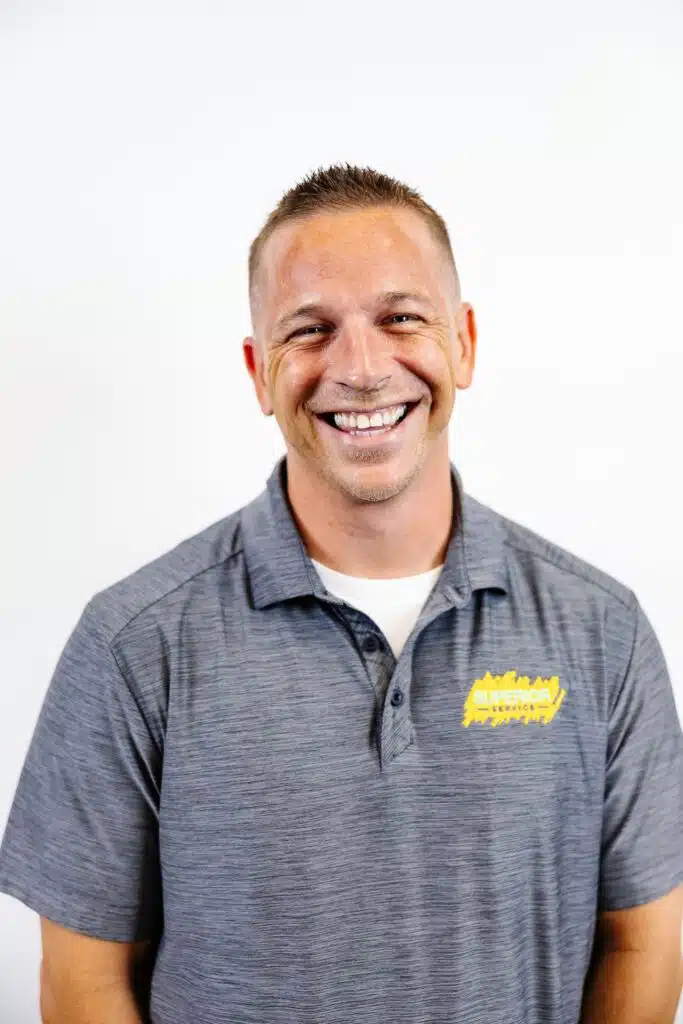
Scott – HVAC Project Manager
Reviewed by Scott, Bryant-Certified HVAC Project Manager – 17 Years of Experience
Scott brings 17 years of HVAC experience to his role as Project Manager at Superior Service. He is Bryant Certified and specializes in designing and overseeing heating and cooling solutions that keep homes efficient and comfortable year-round. Customers appreciate Scott’s ability to guide projects smoothly from start to finish.
When your family’s health is on the line, DIY isn’t enough
Don’t DIY refrigerants, electrical work, or combustion issues. Those areas can create carbon monoxide risks, system failure, or major safety hazards. The right testing and safety precautions protect people, not just equipment.
Pros can also improve energy savings through correct setup and ongoing care. Consider scheduling a St. Louis HVAC preventative maintenance program or seasonal professional furnace maintenance services to catch problems early.
Contact Superior Service
HVAC health and safety come down to clean indoor air quality, safe combustion, controlled electrical hazards, careful refrigerant handling, and consistent maintenance. If you’re in the St. Louis region and want clear answers, Superior Service offers trained technicians, safe work practices, and reliable HVAC maintenance and repair. Protect your family’s well-being by booking a service before small problems turn serious.
"*" indicates required fields