

Best Way to Winterize Your HVAC System
Every winter, it’s important for homeowners to take a few proactive steps to prepare their HVAC systems for colder weather. Properly winterizing your HVAC system can help reduce energy costs, minimize wear and tear, and prevent mid-winter breakdowns during freezing temperatures. In the long run, winterizing your HVAC unit each year can also prolong its lifespan.
In this guide, we’ll cover several easy ways to make sure your system is in top shape for the winter season so you can have peace of mind knowing it will work when you need it the most.
Change the air filters
Start by changing the air filters in your HVAC system. Most systems require a new filter every one to three months, so it’s best to set reminders throughout the year so you don’t forget. Changing the air filters helps keep the indoor air quality clean and free of allergens, and it can also help reduce energy consumption, often resulting in lower energy bills.
If your system runs frequently throughout the winter, which might occur during extremely cold months, it’s a good idea to check the air filters more often. Dirty air filters can cause your HVAC to work harder than it has to, and can sometimes result in system damage, so it’s important to keep clean filters in place at all times.
Clean the outdoor air conditioning unit
Regular air conditioner maintenance can also help winterize your HVAC system. Before the temperature gets too cold, use a garden hose to rinse your outdoor AC unit, if you have one, to remove dirt and debris that have accumulated throughout the year. Regularly rinsing the outdoor air conditioning system can help prevent corrosion, debris buildup, or even blockage.
While the air conditioner dries, remove any weeds, grass clippings, leaves, or other yard waste items that might be interfering with it. Turn off the power to the unit for the season, since you won’t be using air conditioning.
Insulate pipes, ducts, and other outdoor parts
Check around your outdoor unit for any pipes and air ducts. Use foam pipe insulation to wrap around refrigerant pipes and any exposed water pipes to keep them from bursting during cold temperatures. If your ductwork looks like it might be old, seal it with tape to keep the warm air in and have it checked to be sure there is no damage to the system.
Also, note any open spaces around windows and doors, and seal them with caulk or weatherstrips to prevent cold air from entering your heated home.
Check your home insulation
Ensuring your home has proper insulation can help your HVAC system work properly year-round. Updated, in-tact insulation protects your home’s temperature from outdoor temperatures, which in turn reduces the amount of energy your system has to expend to properly heat your home.
To check your home’s insulation, inspect attics and crawlspaces for any damaged or fallen insulation. Seal, patch, or replace any drafty spots in your insulation to keep cool air from entering your home through small cracks. If your ceilings have water spots or other signs of moisture, you might have an insulation problem.
Test your thermostat
Check your thermostat to make sure it’s functioning properly. Turn it on and off and test different temperature settings to see if it responds correctly. If your thermostat won’t turn on, turns off, or doesn’t reach the room temperature you set it to, that could indicate it needs repair.
In some cases, even if your thermostat is working, you may want to consider replacing it with a newer model. Programmable thermostats can improve functionality and ease of use if you’re accustomed to using manual thermostats, for example. Newer models might also not rely solely on batteries or use batteries more efficiently, saving you energy and money over time.
Inspect carbon monoxide detectors
For safety purposes, inspect your carbon monoxide detectors regularly and especially as part of winterizing your home. Carbon monoxide is odorless and cannot be easily detected without functional detectors. Plus, colder months increase the chance of carbon monoxide leaks as a result of regular, increased furnace usage.
To test your detectors, check and replace batteries as needed. Homes that use gas-powered heating systems should use carbon monoxide detectors on each level of the house.
Schedule a seasonal maintenance appointment
Regularly maintaining your HVAC system throughout the year is paramount in keeping it running smoothly and safely. Staying on top of furnace maintenance can also help you avoid extensive and inconvenient repairs. Be sure to schedule a tune-up with an HVAC technician before winter starts.
During your appointment, your technician will lubricate and clean the heat exchanger and condenser unit, check that your thermostat is working properly, and ensure the system, including all electrical connections, is in shape to heat your home for winter. They will also be able to determine whether or not your system is working properly and alert you should it need any urgent repairs.
Winter HVAC tips for St. Louis homeowners
Winters in the St. Louis area can be unpredictable, with fluctuating temperatures, sudden cold snaps, and occasional snow and ice storms that sometimes result in power loss. These rapid weather changes can place extra stress on HVAC systems, especially if they haven’t been properly winterized.
St. Louis homeowners should pay special attention to:
- Furnace performance during sudden temperature drops, as heating systems may need to run continuously
- Older ductwork and insulation, which are common in historic homes throughout the region
- Blocked outdoor vents, particularly after snow or ice storms, can prevent necessary airflow
Scheduling a professional HVAC inspection before winter can help ensure your system is prepared for local weather conditions and operates safely and efficiently throughout the season.
Serving the Greater St. Louis area
Superior Service proudly serves homeowners throughout the greater St. Louis metro area, including St. Louis City, St. Louis County, St. Charles County, Jefferson County, and surrounding communities. Our experienced technicians understand the unique challenges Midwest winters bring and are equipped to help keep your home comfortable and energy-efficient all winter long.
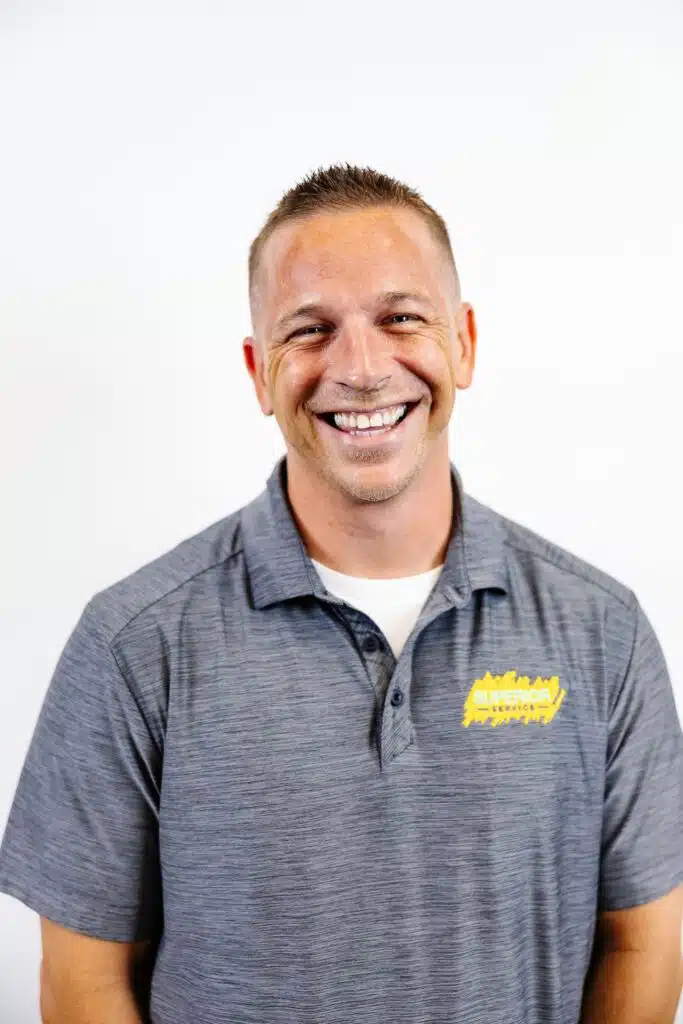
Scott – HVAC Project Manager
Reviewed by Scott, Bryant-Certified HVAC Project Manager – 17 Years of Experience
Scott brings 17 years of HVAC experience to his role as Project Manager at Superior Service. He is Bryant Certified and specializes in designing and overseeing heating and cooling solutions that keep homes efficient and comfortable year-round. Customers appreciate Scott’s ability to guide projects smoothly from start to finish.
Contact Superior Service
Most comfort gaps trace back to airflow, ductwork, poor insulation, direct sunlight, and thermostat placement. Superior Service helps St. Louis-area homeowners find and fix uneven temperatures with diagnostics, tune-ups, duct system fixes, and air conditioning or heating repairs. If you want steady home comfort and even temperatures, contact Superior Service and schedule help with your heating system or cooling needs.
"*" indicates required fields